
We use cookies to personalise content and ads, to provide social media features and to analyse our traffic. We also share information about your use of our site with our social media, advertising and analytics partners who may combine it with other information that you’ve provided to them or that they’ve collected from other web pages that is not governed by us.
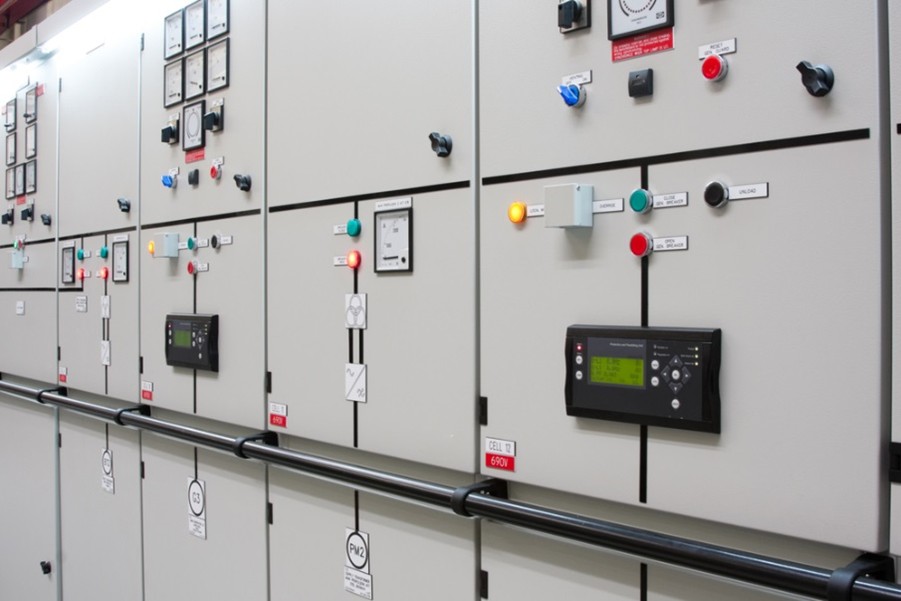
Electrical Power Distribution Systems
Electrical Power Distribution Systems
The primary function of the electric power distribution system in a building or facility is to receive power at one or more supply points and to deliver it to lighting, elevators, chillers, motors and all other electrical loads. The selection of a system arrangement has a profound impact upon the reliability and maintainability of the electrical system. Four basic circuit arrangements are used for the distribution of electric power. They are the radial, primary selective, secondary selective, and secondary network circuit arrangements. Several commonly-used electrical distribution systems are discussed in this training session. It is usually necessary to combine two or more of these arrangements for increased system reliability.
Learning Objectives:
- Explain the benefits for each type of electrical power distribution system.
- Identify the pros and cons associate with each system.
- Describe the cost versus reliability versus redundancy of each system.
Prerequisites:
Participants should understand basic print reading and one-line diagrams.
TRAINING TYPE
E-LEARNING