
We use cookies to personalise content and ads, to provide social media features and to analyse our traffic. We also share information about your use of our site with our social media, advertising and analytics partners who may combine it with other information that you’ve provided to them or that they’ve collected from other web pages that is not governed by us.
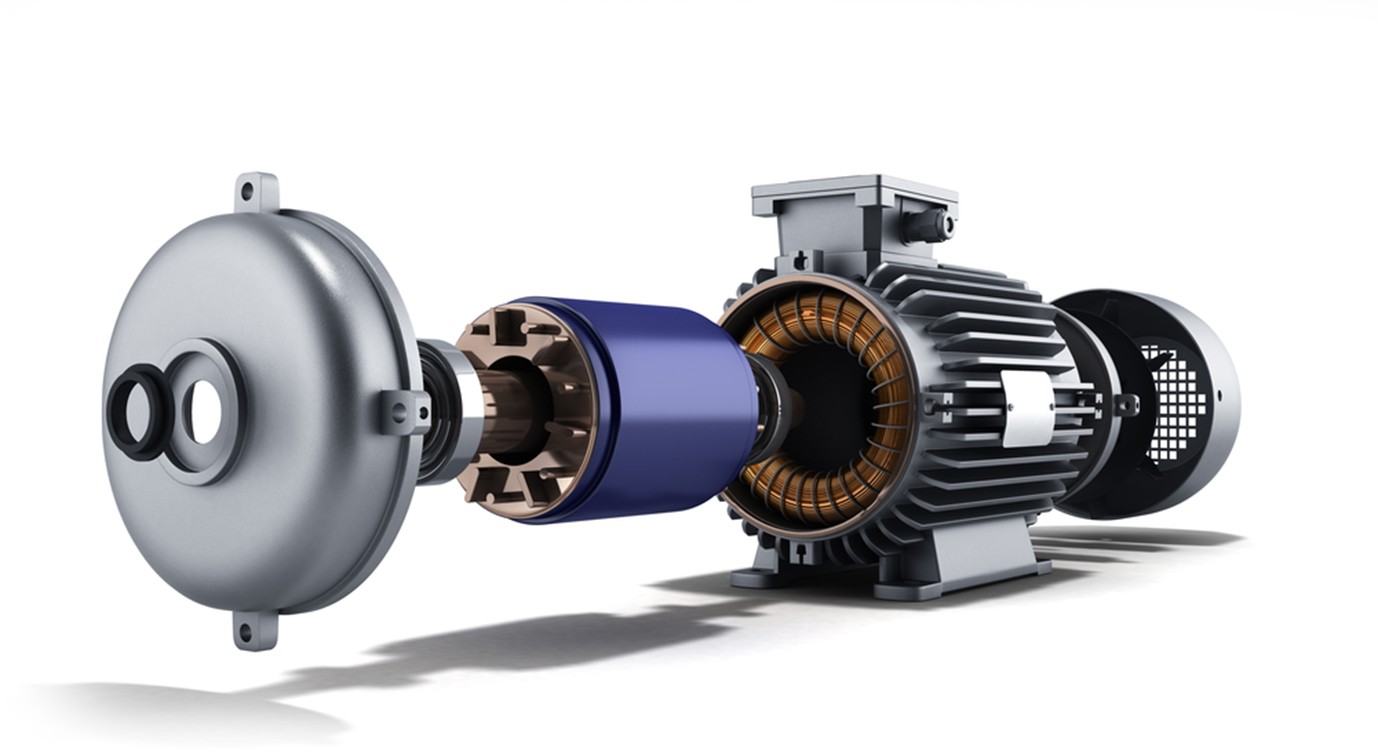
Electric Motors – Construction and Failure Mechanisms
Electric Motors – Construction and Failure Mechanisms
Motor-driven equipment accounts for 64% of the electricity consumed in the U.S. industrial and commercial sectors. All industrial or commercial operations have some type of motor in their facilities, whether it’s used to drive fans, pumps, compressors, saws, crushers or conveyors.
Regardless of their purpose, though, all motors are prone to failure if not properly sized, installed and maintained. Even the best motors will fail prematurely if they’re installed in applications or conditions they’re not rated for, or if preventative maintenance guidelines are not followed. This training module is ideal for new or experienced electricians and technicians that install, maintain, repair, or troubleshoot rotating machines.
Learning Objectives:
- Describe basic construction and operation of rotating machines.
- Describe stator winding design.
- Identify different types of insulation used in stator design.
- Recognize failure mechanisms, symptoms and detection tests for common failures in rotor windings, stator windings and cables.
Prerequisites:
Participants should understand basic DC and AC motor theory and types.
TRAINING TYPE
E-LEARNING