
We use cookies to personalise content and ads, to provide social media features and to analyse our traffic. We also share information about your use of our site with our social media, advertising and analytics partners who may combine it with other information that you’ve provided to them or that they’ve collected from other web pages that is not governed by us.
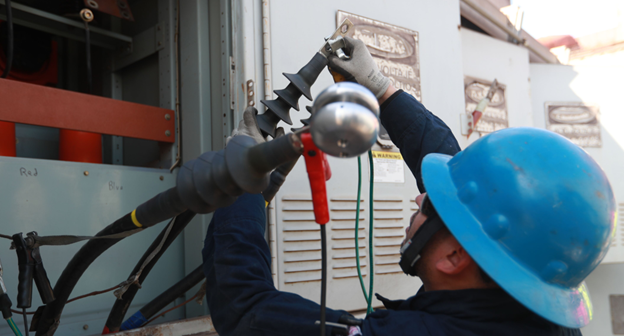
Medium Voltage Cable Testing and Diagnostics
Medium Voltage Cable Testing and Diagnostics
Medium voltage cable systems are the backbone of electrical systems worldwide, yet often they are the most ignored part of the power system … that is until there is a failure. Cable systems today have higher failure rates than ever before due to aging, environmental stresses and improper installation. An effective cable testing program can help reliability managers in prioritizing cable replacement or repair prior to failure. This helps prevent unplanned outages, equipment damage and electrical accidents and ultimately reducing costs. This training series is intended for engineers, electrical technicians, and supervisors that test, install, maintain, repair or troubleshoot 5-69 kV solid dielectric cables.
Learning Objectives:
- Identify medium voltage cable failure mechanisms.
- Explain the goal and intent of various pass/fail and diagnostic tests.
- Describe the advantages and limitations of various test voltage sources.
- Explain how tan delta test results are analyzed.
- Describes the benefits of a monitored withstand test.
- Explain how different test voltage sources can influence partial discharge inception voltage.
- Describe the advantages and limitation of online and offline partial discharge testing.
Prerequisites:
Participants should understand basic electrical theory and medium voltage cable components.
TRAINING TYPE
E-LEARNING